
 Quest for the wisdom of our forebears seeking global harmony
In a world fraught with uncertainty, one way to continue to inspire a yearning for peace is by learning from the wisdom and achievements of those who came before us. After personally experiencing the 9/11 terrorist attacks in New York, I sought such wisdom from my forebears in Japan. The achievements of Prince Shōtoku (aka Prince Umayado, 574–622)—a sage synonymous with the origins of Japanese culture—soon emerged as a central theme.
First overseas photography exhibition featuring Horyu-ji’s National Treasures
The photographic exhibition ‘Historical Significance of Hōryū-ji Temple and Prince Shōtoku’ (by MIRO ITO/Japan Authentic Heritage Initiative & Media Art League) is ongoing at the Spanish-Japanese Cultural Center, University of Salamanca in Spain until 19 June 2026. This exhibition, the first overseas exhibition featuring Hōryū-ji’s National Treasures (in a luxurious hanging-scroll photography format, opened on 17 March to mark the 25th Salamanca Japanese Culture Week.
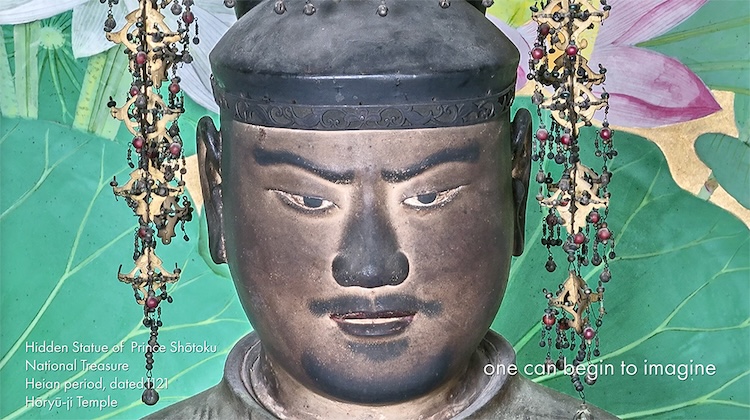
Prince Shōtoku: Scene from “Historical Significance of Hōryū-ji Temple and Prince Shōtoku” (short film by Miro Ito, English version)
Hōryū-ji: the Cradle of Japanese art
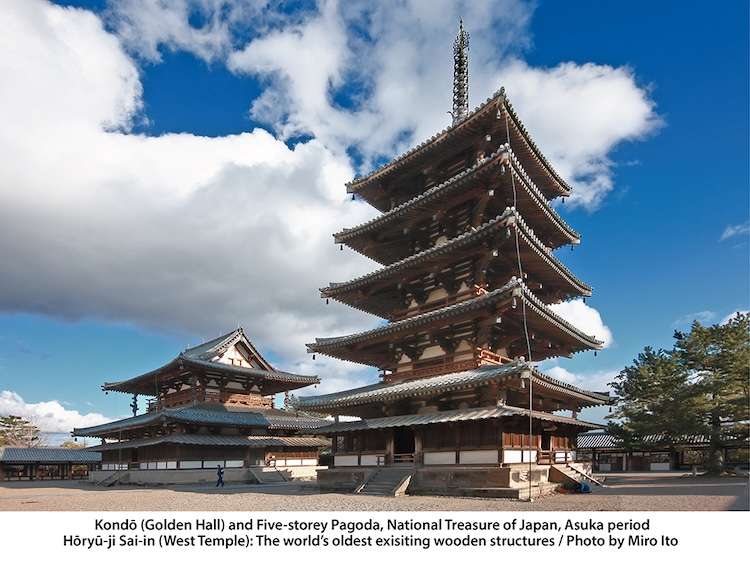
The Hōryū-ji is renowned for having the world’s oldest surviving ensemble of wooden buildings and is the first site in Japan to be designated as a UNESCO World Cultural Heritage. This invaluable collection of Buddhist art, that includes numerous National Treasures and designated cultural property that epitomise the cultural zenith of East Asia during the 7th century (the Asuka period). Drawing on Buddhist art from China and the Korean Peninsula, thes artistic masterpieces—which underwent uniquely Japanese refinements—are regarded as the cradle of Japanese art and artisanship.
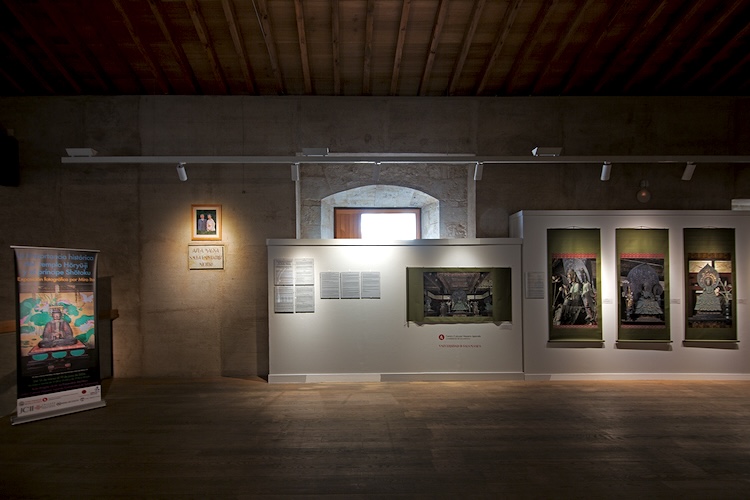
The exhibition hall—the only one in the world allowed to bear the name of Empress Michiko—is adorned with photographs of her and retired Emperor Emeritus Akihito (Photo: Japan Authentic Heritage Initiative)
National Treasure Masterpieces of the 7th century
The National Treasures featured in this exhibition are represented by two life-size statues of Prince Shōtoku—both considered to be ‘hidden Buddha’ statues: a Kannon of Salvation from the Asuka period (early to mid-7th century) and a statue of Prince Shōtoku (Regent Statue, 1122) created 500 years after his death in 622 CE.
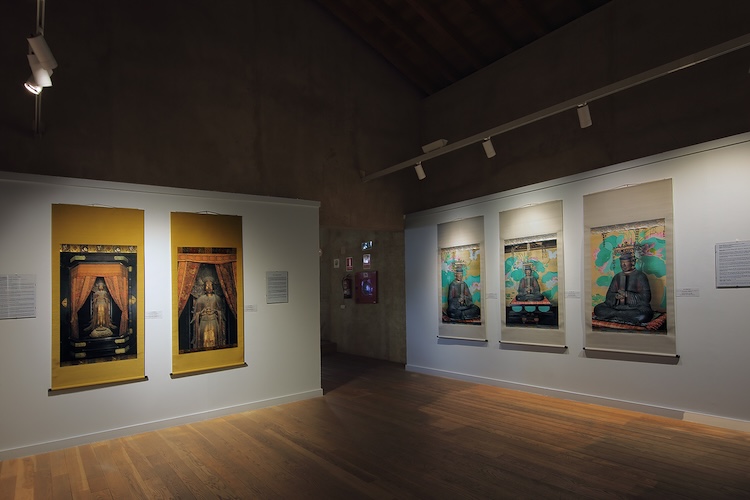
A view of the exhibition “La importancia histórica del templo Hōryū-ji y el príncipe Shōtoku”: Hidden Statue of Kuse Kannon (left) and Hidden Statue of Prince Shotoku (right)
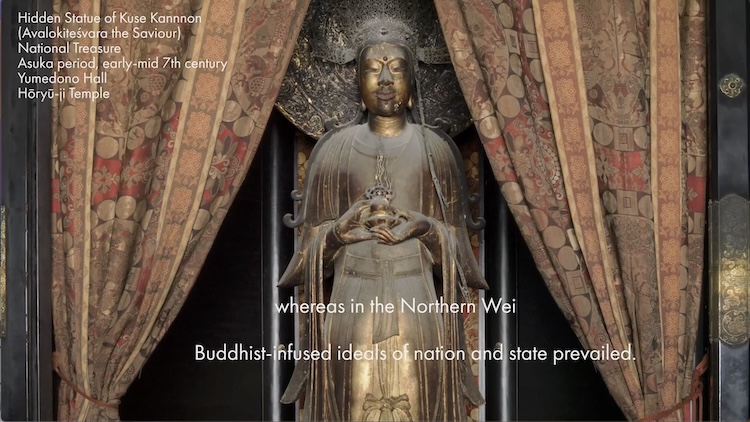
Kuse Kannon: Scene from “Historical Significance of Hōryū-ji Temple and Prince Shōtoku” (short film by Miro Ito, English version)
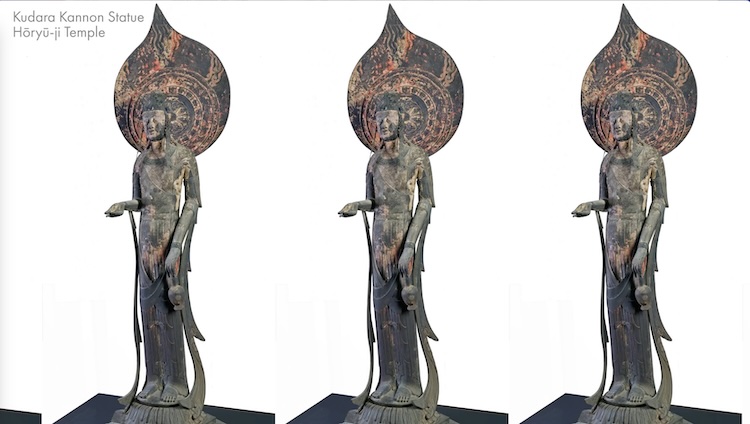
Kudara Kannon: Scene from: ‘Historical Significance of Hōryū-ji Temple and Prince Shōtoku’ (short film by Miro Ito)
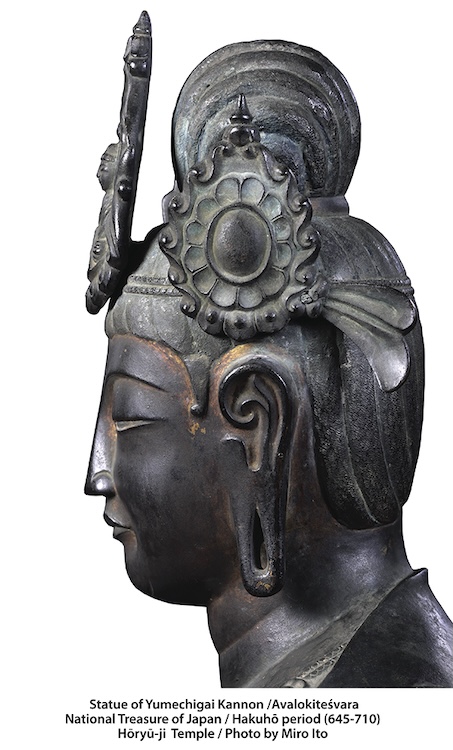
The Kudara Kannon statue, exhibited at the Louvre in 1997, and the Yumechigai Kannon (lit. Dream Changer) statue, exhibited at the British Museum in 2019, also add to the exhibition’s appeal. Two more important statues—the two-year-old and the sixteen-year-old Prince Shōtoku—which were created as Prince Shōtoku’s beliefs spread, are Important Cultural Property from Gangō-ji (formerly Hōkō-ji), Japan’s first Buddhist temple.
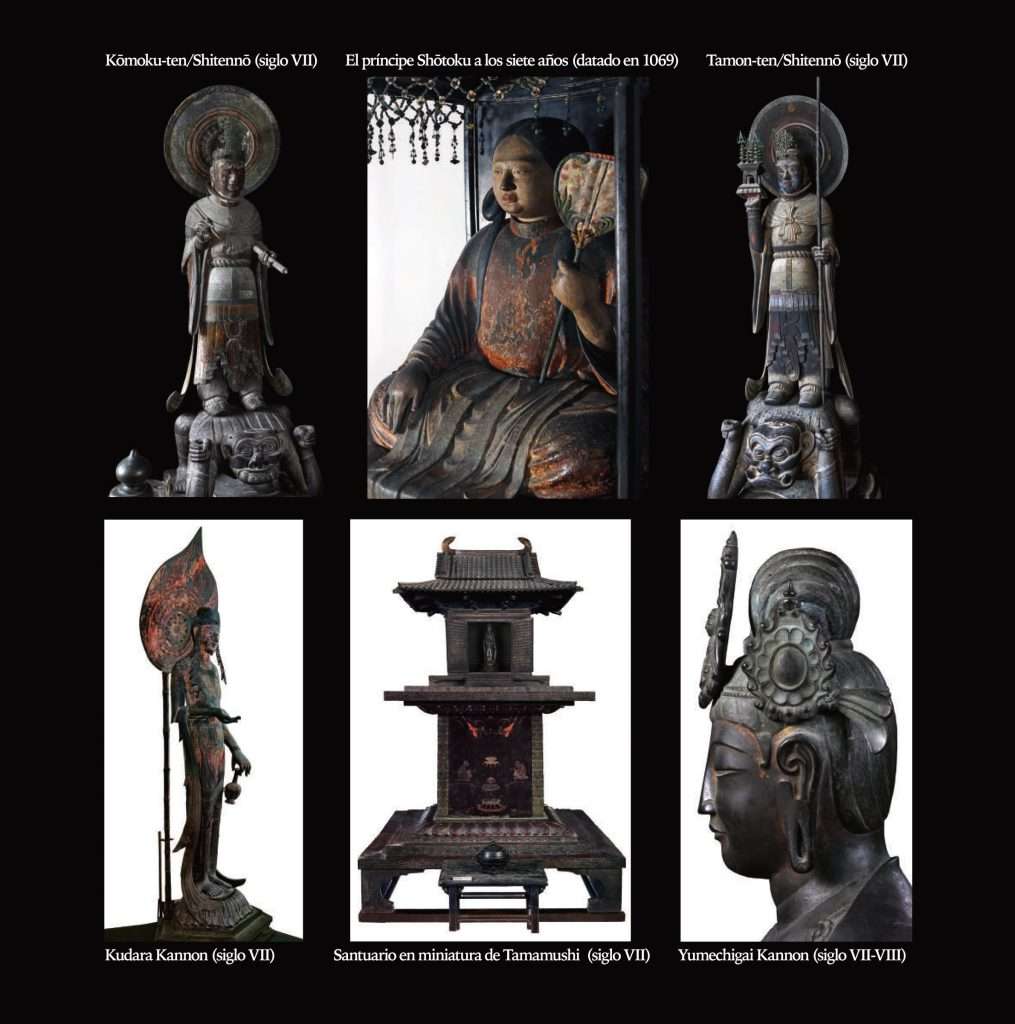
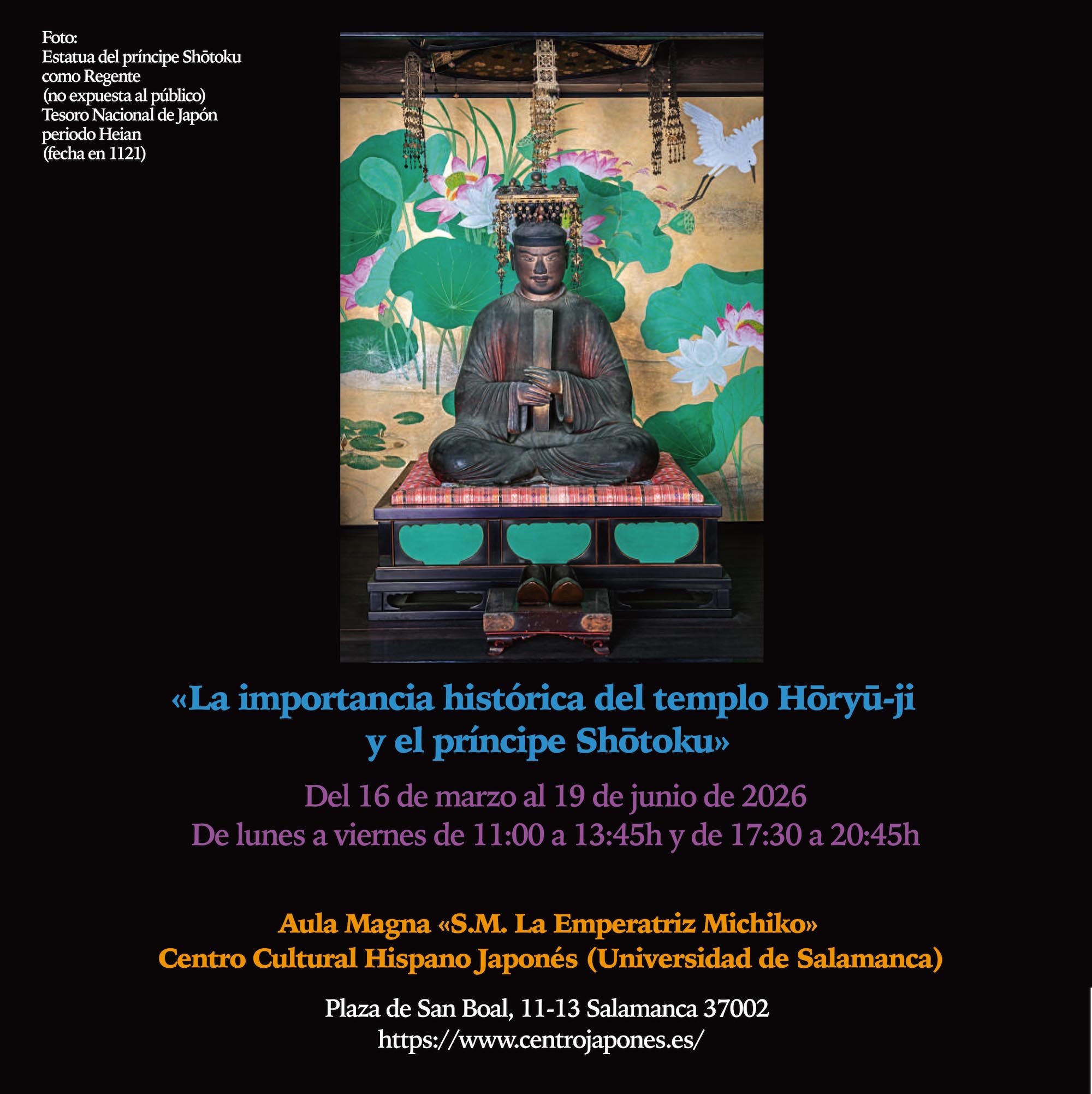
Prospectus: La importancia histórica del templo Hōryū-ji y el príncipe Shōtoku
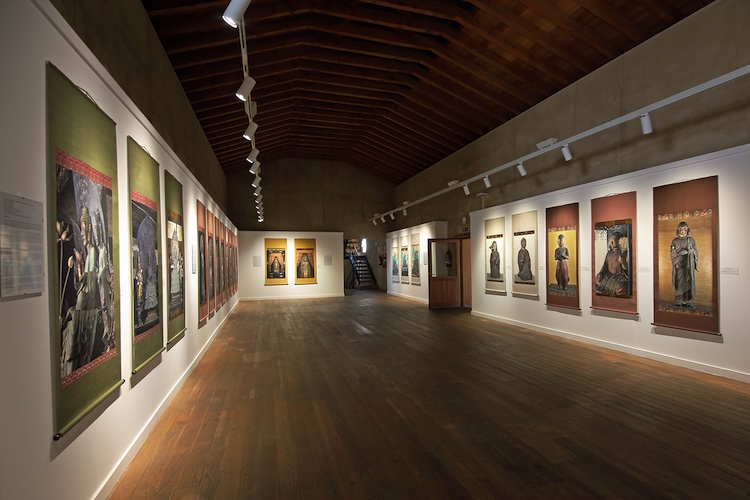
A view of the exhibition “La importancia histórica del templo Hōryū-ji y el príncipe Shōtoku”: Prince Shōtoku statues of Hōrryū-ji and Gangōr-ji Temples (far right and third from right) (Photo: Japan Authentic Heritage Initiative)
Prince Shōtoku’s aspirations for peace
Having created the basis of Japan as a nation in terms of social system, religion, philosophy, education and fine arts; Prince Shōtoku embodies the origins of Japan’s culture. This exhibition offers a rare opportunity to view global treasures that showcase the finest examples of 7th-century East Asian art—not only from Japan but from across the region—in the context of Prince Shōtoku’s aspirations for peace, dating back more than 1,400 years.
Artist/creator MIRO ITO, obtained special permission from the Hōryū-ji and invested 20 years to take these photographs and videos.The exhibition will be open until 19th June 2026, and the public is welcome to view it in the Hall of Her Empress Michiko (Palace of San Boal) at the University of Salamanca—Europe’s fourth-oldest university—at the heart of the World Cultural Heritage city of Salamanca.
La importancia histórica del templo Hōryū-ji y el príncipe Shōtoku (The Historical Significance of Hōryū-ji and Prince Shōtoku)
Centro Cultural Hispano Japonés (Universidad de Salamanca)
Dates: 16th March to 19th June 2026
Opening hours: Monday to Friday (11:00 AM to 1:45 PM, 5:30 PM to 8:45 PM)
Address: Pl. de San Boal, 13, 37002 Salamanca, Spain
Tel: +34 923 29 45 60
URL: https://www.centrojapones.es/exposicion-templo-horyuji-2026/
More Information
JAPAN AUTHENTIC HERITAGE (previous blog)
MEDIA ART LEAGUE (previous blog No.15)
https://mediaartleague.org/en/blog/media-art-message-no-15/
TRIBUNA SALAMANCA
FUNDACIÓN JAPÓN MADRID
SALAMANCA.COM
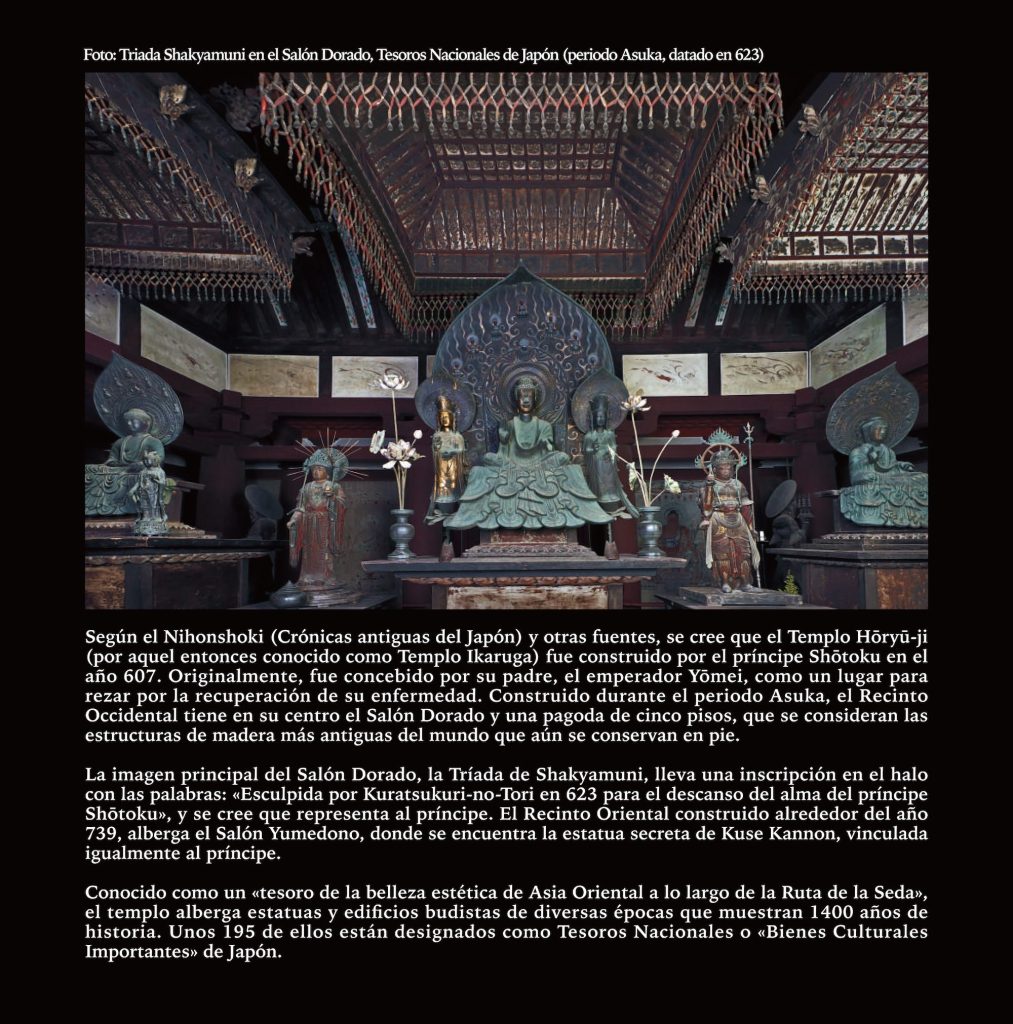
Prospectus: La importancia histórica del templo Hōryū-ji y el príncipe Shōtoku